How to Verify a Product’s Authenticity Before Buying from Overseas
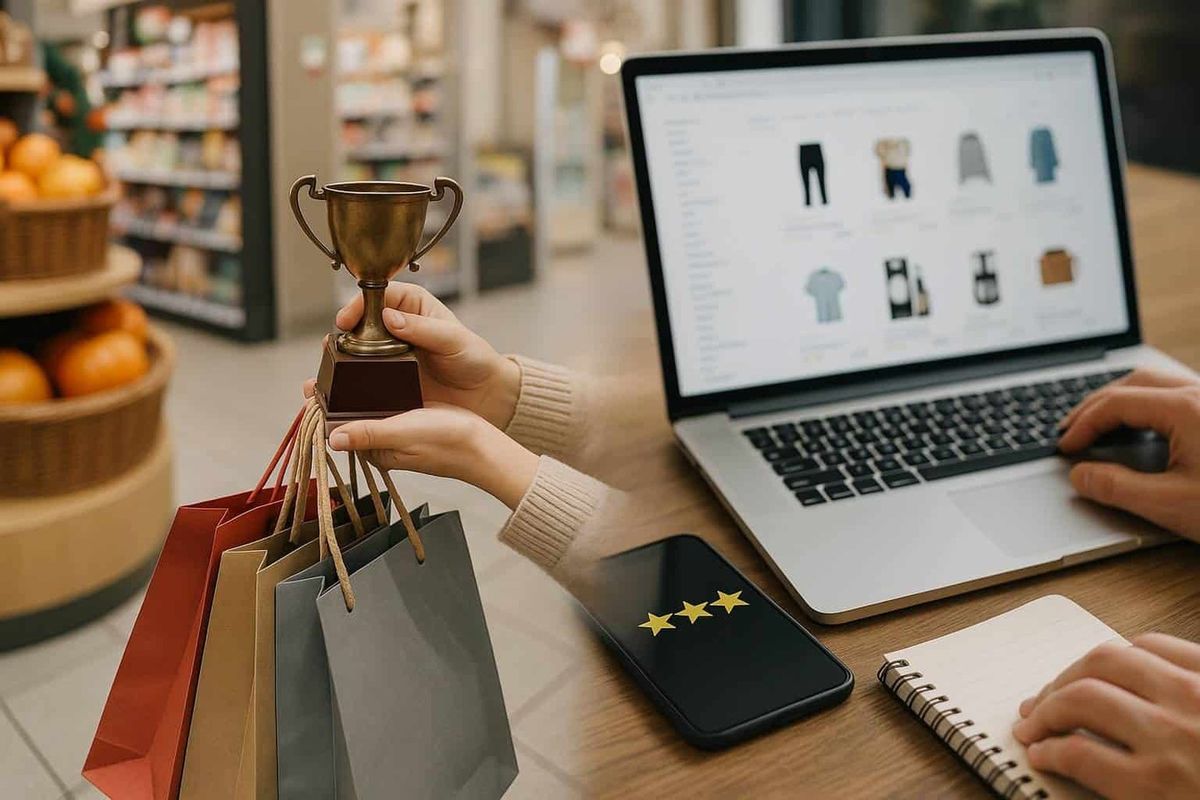
Global e-commerce makes it easy to buy international products and brands online, delivered straight to your door.
But this ease raises an important question: How can you be sure the product is authentic?
Today’s counterfeit products are no longer the poorly made replicas that were once easy to identify. Many counterfeit items are now manufactured with remarkable precision, making it increasingly difficult to distinguish them from genuine products—especially when shopping online, where buyers cannot physically inspect the item before making a purchase.
For this reason, verifying product authenticity has become an essential part of smart online shopping rather than an optional extra.
In this guide, you’ll learn the most effective ways to verify a product’s authenticity before buying from international websites and discover practical strategies to reduce the risk of purchasing counterfeit goods.
Understanding why counterfeit products have become so convincing is crucial before discussing how to verify authenticity.
A few years ago, spotting counterfeit products was much easier.
Fake products often contained obvious design, packaging, or manufacturing flaws, making differences easy for buyers to recognize.
Today, the situation has changed dramatically.
Many counterfeit manufacturers now invest in:
- Advanced manufacturing technologies.
- Packaging that closely resembles the original product.
- Professional product images identical to those used by authentic brands.
- Highly accurate reproductions of logos and trademarks.
In some cases, buyers don’t realize they’ve purchased a counterfeit product until they’ve used it for some time.
The rise of e-commerce has made the issue even more challenging, as shoppers rely primarily on product photos and descriptions rather than inspecting the item in person before making a purchase.
As a result, the question is no longer:
“Does the product look authentic?”
Instead, it should be:
“Do I have enough evidence to confirm that this product is authentic?”
Before looking at authentication methods in detail, it's helpful to understand why price can be a misleading indicator of authenticity.
One of the most common misconceptions is that counterfeit products are always significantly cheaper.
While unusually low prices can certainly be a warning sign, price alone is never enough to determine whether a product is genuine.
Authentic products may legitimately be sold at lower prices because of:
- Seasonal sales.
- Inventory clearance events.
- Regional pricing differences.
- Exclusive distributor promotions.
On the other hand, some counterfeit sellers deliberately price fake products very close to the original retail price to avoid raising suspicion.
That’s why you should never rely solely on price—whether it’s low or high.
Before making a purchase, consider all these signals together: seller reputation, reviews, serial numbers, product details, images, and price. Evaluating these helps ensure you receive a genuine product.
7 Ways to Verify a Product’s Authenticity Before Buying
1. Verify the Seller
The first step in confirming a product’s authenticity is verifying the seller.
Even authentic products can be risky purchases when sold by an unreliable retailer.
Before placing an order, ask yourself:
- Is the seller an authorized retailer?
- How long have they been in business?
- What do customer ratings and reviews say?
- Do they have a consistent sales history?
In many cases, the seller is even more important than the product itself.
Reputable sellers are generally more committed to protecting their reputation than making a quick sale.
2. Read Customer Reviews Carefully
Customer reviews are among the most valuable resources for evaluating product authenticity.
However, not all reviews offer the same level of insight.
Focus on reviews that include:
- Real customer photos.
- Detailed descriptions of the buying and usage experience.
- Comparisons between customer expectations and the actual product received.
Generic reviews such as:
“Excellent.”
or
“Great product.”
Rarely provide enough information to support a confident purchasing decision.
The more detailed and authentic the reviews are, the more useful they become in assessing a product’s legitimacy.
3. Check the Serial Number
Many brands provide serial numbers or authentication codes that allow customers to verify product authenticity.
This is especially common for products such as:
- Watches.
- Electronics.
- Luxury goods.
- Cosmetics.
In many cases, the serial number can be verified directly through the manufacturer’s official website.
If a product does not provide a serial number or authentication method—even though the brand typically offers one—it should be treated as a potential warning sign.
4. Compare with the Official Website
One of the most reliable ways to verify authenticity is to compare the product with information published by the manufacturer.
Visit the brand’s official website and compare:
- Product specifications.
- Images.
- Packaging.
- Colors.
- Available versions or models.
Sometimes buyers discover that a product listed for sale contains details that don’t exist in the official version—a clear indication that further investigation is needed.
5. Examine Detailed Product Images
When an online store relies solely on generic promotional images, it becomes much harder to accurately evaluate the product.
High-quality, detailed images allow you to inspect:
- Build quality and finishing.
- Logo details.
- Packaging.
- Included accessories.
The more authentic, close-up images a seller provides, the easier it becomes to verify the product before purchasing.
To sum up, always buy from sellers who show detailed, close-up images of the product, as this is a strong indicator of transparency and authenticity.
6. Review the Return Policy
At first glance, a return policy may not seem directly related to product authenticity.
In reality, however, it is often a strong indicator of the seller’s confidence in what they are offering.
Trustworthy sellers typically provide:
- A clear return policy.
- Easy-to-understand exchange procedures.
- Transparent processes for handling customer issues.
Retailers that avoid explaining these policies deserve additional scrutiny before you proceed with a purchase.
7. Look for Certifications and Official Approvals
Some products include certifications or official approvals demonstrating compliance with recognized industry standards.
These certifications are particularly important for:
- Health-related products.
- Electronic devices.
- Cosmetics.
- Specialized equipment.
Certifications support a well-informed buying decision, especially when combined with other verification methods. Always check for relevant certifications before purchasing.
While the above methods can help verify authenticity, some situations require professional guidance.
In some situations, verifying a product’s authenticity is straightforward and can easily be done independently.
In others, seeking professional assistance is the smarter choice.
This is especially true when:
- Purchasing high-value products.
- Buying from unfamiliar international websites.
- Purchasing luxury or rare items.
- Making your first overseas purchase.
An experienced purchasing expert or buying agent can help you:
- Assess the seller’s credibility.
- Verify product details.
- Identify warning signs that an inexperienced buyer might overlook.
The greatest value of expert assistance is helping you avoid costly mistakes. Consider consulting a specialist if you have any doubts.
How Jadid Helps You Make Safer Purchasing Decisions
Verifying product authenticity can be simple in some situations, but becomes more challenging when buying expensive products or from unfamiliar stores.
Through Jadid, shoppers connect with experienced agents who have extensive knowledge of international brands and retailers. Their expertise helps buyers verify details and make informed decisions before ordering.
Frequently Asked Questions
How can I tell if a product is authentic or counterfeit?
Don’t rely on a single factor. Verify the seller, read customer reviews, check the serial number, and compare the product with the manufacturer’s official specifications before making your purchase.
Does a low price always mean a product is counterfeit?
Not necessarily. However, if the price is significantly lower than the typical market value, it’s wise to investigate the reason before buying.
What’s the best way to verify the authenticity of products purchased internationally?
The most reliable approach is to combine several verification methods, including checking the seller, comparing information on the official brand website, reviewing customer feedback, and validating the serial number whenever possible.
Is it safe to buy authentic products from international websites?
Yes. Purchasing from overseas can be very safe, provided you buy from reputable sellers and take the appropriate verification steps before completing your purchase.
When should I use a purchasing agent?
A purchasing agent can be particularly valuable when buying expensive products, shopping from unfamiliar retailers, or if you have limited experience with international shopping.
Conclusion
In today’s e-commerce landscape, the real challenge isn’t finding the product you want—it’s making sure you’ll receive the genuine product you expect.
As counterfeit goods become increasingly sophisticated, verifying product authenticity has become an essential skill for anyone shopping internationally.
Don’t base your purchasing decision solely on price or product images.
Taking extra time to verify sellers and products protects you from potential losses and disappointment. Make verification a key step before every overseas purchase.
After all, smart shopping doesn’t begin at checkout—it begins long before you click “Buy Now.”
Recent Posts